Mar 11, 2026

How to Turn a Conference Night into a Seamless Sensory Experience? (Without Stressing Your Team)

Conference days are about information. Conference nights are about impact.The daytime program can run perfectly, but if the evening experience falls flat—generic DJ, awkward lighting, dead energy in the room—that’s what people talk about on the way home. And it’s usually the internal team, not the production partner, who carries the blame.If you’re responsible for a high‑stakes conference or corporate gathering and you want the evening to feel elevated, on‑brand, and operationally tight, the goal isn’t “more stuff.” It’s a designed sensory experience that works in the real world.Below is a practical way to get there without turning your team into full‑time show producers.
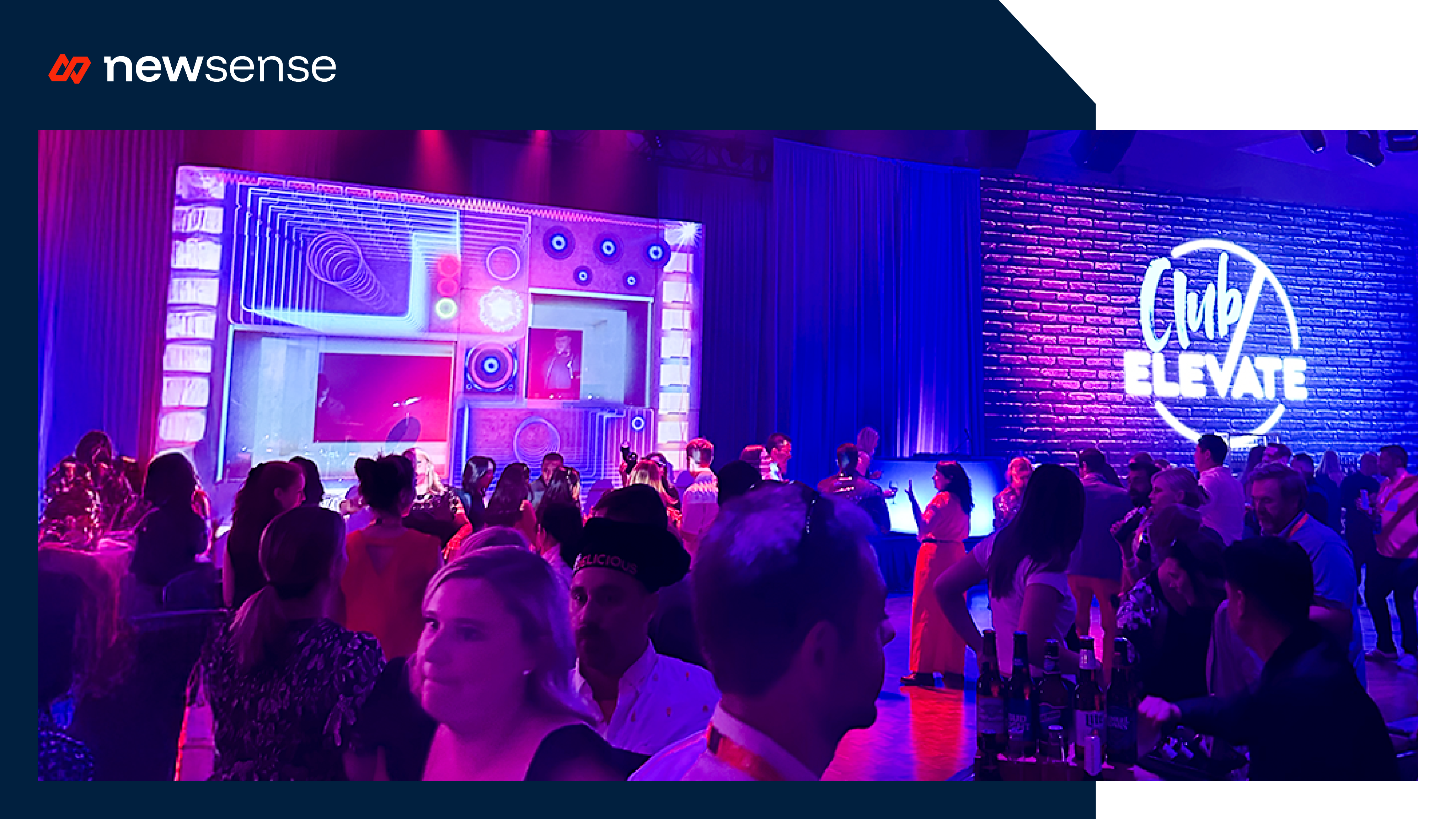
How to Turn a Conference Night into a Seamless Sensory Experience? (Without Stressing Your Team)
01

Step 1: Define What “Winning”Looks Like (in One Sentence)

“If this night is a success, what do people say about it the next morning?”

Before you think about bands, LED walls, or special effects, answer one question clear:

“That was the first time this event actually felt like us.”

“The energy last night reset the tone for our whole organization.”

“Our partners and sponsors felt genuinely valued, not just mentioned.”

“The night felt polished and premium, not cheesy or overdone.”

Write that sentence down. It becomes your filter for every decision that follows:

venue layout, pacing, entertainment, tech, and budget. If a cool idea doesn’t move you closer to that outcome, it’s just noise.

02

Step 2: Design The Night as a Journey, Not a Playlist

Most forgettable conference nights follow this pattern:
drinks – background music – too-long speech – band or DJ – people leave early.

A seamless sensory experience feels different because it’s designed as a sequence of moments, each with a clear role:

01/ Arrival and Reset

Goal:

Get people out of “daytime brain” and into “nighttime experience” quickly.

Tactics:

Change lighting, sound, and visuals the moment they enter. Use a distinct look or soundscape that doesn't feel like the general session room.


02/ Warm-up and Connection

Goal:

Make people feel comfortable, not forced, into networking.

Tactics:

Curated background sets (not random playlists), focused lighting zones, and subtle staging cues that draw people toward the right areas.


03/ Peak Moment(s)

Goal:

Deliver one or two unforgettable beats—not constant noise.

Tactics:

A tightly timed opening sequence, high-impact performance, reveal, or award segment where lighting, audio, and visuals are fully synchronized.


04/ Sustained Energy Without Fatigue

Goal:

Keep the room alive without burning people out or forcing them to shout over the sound system.

Tactics:

Controlled shifts in tempo, dynamic lighting looks, and planned “breathing spaces” in the program.


05/ Exit with Intention

Goal:

End on a note that feels deliberate, not like someone just turned the music off.

Tactics:

A final visual/look, a closing track that matches the brand, and a clean way for people to transition to the next day.

03

Step 3: Integrate AV and Entertainment Under One Plan

What makes a night feel seamless isn't just the quality of each element—it's how they work together.

Where Things Usually Go Wrong

The DJ, band, or entertainment is booked separately from AV.
Lighting looks are generic, not programmed around key moments.
Content (slides, videos, walk-ups) is handed off late and triggered manually.
No one is calling the show; everyone is reacting.

For a high-end experience, treat the night like a live show:

One Show Design

Audio, video, lighting, LED, content, and entertainment are planned in a single document and reviewed in one conversation—not six email threads.


One Technical Brain

There is a dedicated show director or technical lead who owns the sequence, cues, and transitions. Everyone else takes their timing from that person.


One Rehearsal (Minimum)

Even if it's a "corporate party," you run at least a cue-to-cue for the critical segments so there are no surprises when leadership walks on stage.

04

Step 4: Protect Your Internal Team from Production Chaos

You shouldn't have to micromanage a vendor to get a premium result.

A proper production partner will make it clear how to work together and what they'll protect you from. Internally, this usually looks like:

One Main Point of Contact

You’re not chasing five people. You have one producer/director who handles internal coordination on their side.


Clear Decision Points

• You know exactly when they need:
Final schedule
Run of show
Content assets
Names and pronunciations for intros
• And you know what happens if something changes late. • Guardrails on "big ideas"
"Here’s how we can do that safely and cleanly,"
"That's not realistic in this room with this timeline; here's an alternative that still lands the message."

If you feel like you’re having to be the production adult in the room, you don’t have the right partner.

05

Step 5: Decide How You Want to Engage: Proven Format or Custom Build

To keep the process efficient and respectful of your time, there are essentially two ways to work with a team like ours:

01/ Proven Show Formats, Tailored to Your Brand

  • We start from frameworks that already work in live environments:
Opening sequences
After-party flows
After-party flows
  • You get seasoned patterns adapted to your goals, audience,
  • and brand—without paying to invent every beat from scratch.

02/ Fully Custom Experiences

  • We build the night from a blank page, including concept, scenic, content, and show structure.

  • Best when the stakes, budget, or visibility justify breaking new ground.
06

Step 6: Ask the Right Questions Before You Choose a Partner

What makes a night feel seamless isn't just the quality of each element—it's how they work together.

Where Things Usually Go Wrong

The DJ, band, or entertainment is booked separately from AV.
Lighting looks are generic, not programmed around key moments.
Content (slides, videos, walk-ups) is handed off late and triggered manually.
No one is calling the show; everyone is reacting.

For a high-end experience, treat the night like a live show:

One Show Design

Audio, video, lighting, LED, content, and entertainment are planned in a single document and reviewed in one conversation—not six email threads.


One Technical Brain

There is a dedicated show director or technical lead who owns the sequence, cues, and transitions. Everyone else takes their timing from that person.


One Rehearsal (Minimum)

Even if it's a "corporate party," you run at least a cue-to-cue for the critical segments so there are no surprises when leadership walks on stage.

7

If You Want Help With Your Next Conference Night

If you already know your dates and venue and want to explore what a seamless sensory night could look like for your event, the simplest next step is a short working session.

You bring: goals, audience, rough budget, and any internal non-negotiables.

We bring: a proposed journey for the night, an initial show concept, and a realistic view of what it will take to execute cleanly.

You’re not just buying equipment or entertainment.
You’re buying judgment under pressure.

Ready to
Make Noise

Share a few details about your event and what your're
trying to create. We'll come back with ideas. Availability, and a custom plan to make your next show feal seamless,sensory and spectacular

Thank you! Your submission has been received!
Oops! Something went wrong while submitting the form.